Bodies do not switch from idle to full throttle without a toll. If you have ever jogged from East Croydon Station into a spin class and spent the first track feeling wooden, your tissues were telling you what the evidence confirms: the way you prepare your body changes what your session gives back. Clients at our osteopath clinic in Croydon often arrive with the same broad question, dressed in different kit bags. Do I need to warm up, or should I stretch? Which one prevents injury? Which one makes me feel loose? If time is tight, which matters more?
A better version of the question is about intent. Warm-up and stretching are different tools that act on different systems. They are not rivals. Used well, they work together to raise temperature and neural readiness, restore mobility where it is limited, and keep tendons and joints happy over seasons, not just sessions. Used poorly, they waste minutes, sap power, or, less often but more expensively, let small issues become bigger.
Why this matters to the people we see in Croydon
The movement landscape here is varied. We look after park runners from Lloyd Park, five-a-side regulars at Goals Croydon, forklift operators on their feet all day, aerial dancers who rehearse above the Fairfield Halls stage, and plenty of office workers who commute into London and back. The same anatomy walks through the door, but the loading patterns differ wildly. A Croydon osteopath will ask you to show us how you warm up, not just tell us where it hurts, because habits before effort are one of the biggest levers we can pull.
Warm-ups, done right, influence how tissues handle load within minutes. Stretching, done right, changes range of motion at a slower time scale, shaping how joints share load over weeks. Both influence injury risk, but through different mechanisms. The judgement call is about what is tight versus what is underprepared, what is stiff versus what is asleep.
What a warm-up actually does
Warm-up is not code for a few token arm circles. It is a specific physiological process that primes multiple systems for the work ahead.
- Temperature and viscosity: Increasing muscle temperature by even 1 to 2 degrees Celsius improves enzyme kinetics and makes contractile proteins cycle faster. Warm muscle is more compliant without relying on passive stretch. Synovial fluid becomes less viscous, which reduces friction in joints like the knee and shoulder. Cardiovascular ramp: Gradual elevation of heart rate and stroke volume lifts oxygen delivery. Capillaries open in the working muscles, which speeds the switch to aerobic metabolism for steady efforts and fuels phosphagen replenishment between sprints or sets. Neural readiness: Drills that mirror the session sharpen motor unit recruitment and stride or swing timing. Think of skipping patterns waking the calves and foot intrinsics before a run, or scapular setting and light rows before pressing. Tendon and fascia behavior: Tendons and fascial sheets show viscoelastic creep with cyclical loading. Short bouts of submaximal movement help them distribute load more evenly, which matters for Achilles and patellar tendons, hamstring insertions, and the lumbar fascia as you rotate. Psychological transition: A good warm-up moves attention from work emails to internal cues. Breathing settles, arousal shifts where it needs to be for the task, and your first repetitions are purposeful, not guessing.
Static stretching does none of these things as efficiently in the immediate time frame. That is not a criticism of stretching, only a reminder to give each tool the job it is built for.
What stretching actually does
Stretching means different methods, not just one.
Static stretching is the long hold, usually 20 to 60 seconds, where you move into a range and stay there. It targets the muscle-tendon unit and, over time, can increase tolerance to stretch and some aspects of passive range of motion.
Dynamic stretching is active, where the limb moves through range with control, often progressively larger arcs. It has more overlap with warm-up, because it keeps heart rate up and rehearses patterns.
PNF techniques use contact and brief contractions to unlock short-term increases in range. Think contract-relax hamstring work with a strap.
Ballistic stretching uses fast bouncing at end range. It can be useful for trained athletes in sports with ballistic movements, but it is less controlled and not necessary for most people seeking osteopathy in Croydon.
Static work before maximal power can temporarily reduce peak force and rate of force development. The effect is small to moderate and tends to be more apparent if you hold long stretches for more than a minute and then go straight into a one-rep max or sprint. Dynamic work before power tends to improve jump height, sprint starts, and agility. Static work after your session can help you cool down, restore length after heavy eccentrics, and is where many of our stiff-hip desk workers make gains.
What the research signals, minus the noise
The injury prevention literature is messy because injuries are multifactorial. That said, some consistent patterns hold up across reviews and large team-sport cohorts.
- Static stretching alone, without a proper warm-up, does not reliably reduce injury risk. When combined with a structured warm-up that raises temperature and rehearses sport actions, total soft tissue injury rates often fall, particularly for hamstrings and groins in running and field sports. Dynamic warm-ups, especially those built around run-throughs, mobility, activation, and power primers, improve short-term performance metrics. Many Croydon footballers use the FIFA 11+ template not because it is trendy, but because hamstring and knee injuries fall when squads do it properly several times per week. Static stretching before strength or power work can dull the first set or two. The practical compromise is to keep static holds away from the pre-lift sequence, or keep them brief and follow them with dynamic patterns to wake up the rate-coding again. Long-term flexibility training increases range of motion, which redistributes joint load and can make certain tendinopathies and impingement syndromes less likely to flare. The gains are specific. Hip external rotation stretches help deep squat comfort more than random toe touches help anything.
A Croydon osteo should help you decide what belongs in your pre-session minutes based on the type of session, your history, and what the assessment shows about your end ranges and control.
The trade-offs that matter in real life
Time is the hard constraint. Many people only have ten minutes. If that is you, a warm-up built around movement quality https://www.sanderstead-osteopaths.co.uk usually beats a static stretching menu. Cold stretches feel virtuous, but they do not warm tissues. They can even make you feel floppy without adding readiness.
The deeper trade-off is between chasing length and building control. If your hips are stiff and your deep squat folds at parallel, persistent static and PNF work between sessions makes sense. If your hips move fine, but your knees cave as you land, you need strength and control in end range, not looser ligaments. Osteopaths in Croydon spend a lot of time respecifying drills so that you gain available motion and then keep it under load.
A quick warm-up blueprint you can use anywhere
Below is a practical structure you can run in gyms from Purley Way to small home setups. It covers the physiological bases without wasting motion.
- Raise: 2 to 4 minutes of easy cyclical movement matching the session, like brisk walking with arm swings, light skipping, or low-resistance cycling. Mobilize: controlled, joint-specific ranges, such as hip openers, thoracic rotations, ankle rocks, and wrist circles for upper-body days. Activate: low-load patterns for the tissues you plan to use, for example, banded glute bridges, wall slides, calf raises, or scapular retractions. Potentiate: a few crisp, submaximal actions that mimic the session at lower intensity, such as three progressive 20-meter run-throughs, three empty-bar speed sets, or a couple of medicine ball chest passes.
Most people can complete that sequence in 8 to 12 minutes. If you are lifting heavy, add one or two specific warm-up sets around 40 to 60 percent of your working weight and build from there. If you are about to run, add one or two drills that suit your form, like A-skips or high-knee march with ankle pops.
Where stretching fits best across the week
Think of stretching in two windows. Immediately after training, and on separate, low-fatigue days.
After training, tissues are warm, and the nervous system is willing to give you a little more. Hold a few targeted stretches for 30 to 45 seconds, two to three sets each, breathing slowly. Hips and calves love this window after running. Lats and pecs enjoy it after pressing.
On separate days, especially for chronically tight regions, invest 10 to 15 minutes on a small menu of specific drills. If your desk setup has you in forward head and rounded shoulders for most of the day, you will do more for your thoracic spine with three sessions per week of extension and rotation mobility than you will with one Sunday blast. A Croydon osteopath will often pair your stretching with simple isometrics at the end range so the new motion sticks under gentle load.
A few dosing notes from clinic:
- For static holds, 20 to 60 seconds is a good range. Total time under stretch seems to be the more important driver than any single hold length. If you do three sets of 30 seconds, you have accumulated 90 seconds of stimulus. Breathe into the stretch. The nervous system loosens its guard when the breath rate slows. Gentle exhales lengthen your parasympathetic leash. Aim for a sensation of stretch at 6 or 7 out of 10, no sharp pain. Sharpness usually means you are pulling on irritated tissue or pinching a joint. Expect changes over weeks, not overnight. We usually see first gains within 10 to 14 days with consistent effort, with more durable changes after 6 to 8 weeks.
Croydon case sketches: how the puzzle pieces fit
Amir plays for a Sunday league team in South Norwood. He came in with recurrent hamstring tightness that kept him from sprinting freely by the second half. He used to jog across the pitch, toe-touch twice, and start shooting drills. We rebuilt his pre-match routine around a progressive raise, dynamic leg swings in multiple planes, adductor rock-backs, and a couple of resisted hip extension drills with a loop band. His static hamstring work moved to after training and on Wednesday evenings at home, with contract-relax paired to a slow eccentric slider. The hamstring niggles faded over a month, and his GPS sprint numbers rose without changing his minutes.
Hannah works in Croydon offices and trains at a local Pilates studio. Her shoulders ached after push sessions. Range testing showed adequate flexion and abduction, but poor scapular control at end range. Static pec stretches felt nice but did not change her press. We shifted her warm-up toward serratus activation, controlled arm circles with a dowel, thoracic open books, then light push-up plus and tempo eccentric dumbbell presses. Post-session, she kept a short pec minor stretch and lat doorway hold. Within three weeks, her top sets felt more stable and her ache settled.
Richard is a music teacher who power walks around Addiscombe and lifts twice weekly. He has stiff ankles after an old sprain. He used to stretch the calves before squats and then struggle to keep heels down. The switch was simple. Raise on a bike, mobilize with ankle dorsiflexion rocks against a wall, then a few loaded split squats and goblet squats to depth as warm-up sets. Static calf work came at the end. We added loaded stretching for the calves on a step, 45-second holds, three rounds. His range improved across a month because the control at depth stuck the new motion in his brain and his tendons learned to trust it.
These are not elaborate protocols. They are small reallocations of minutes to the right windows.
Special situations we see often in an osteopath clinic in Croydon
Hypermobility: Many people with hypermobility spectrum traits love stretching because it feels relieving. The trap is that passive range is not the limiter. They need strength and proprioception in mid to end range, not more length. Warm-ups should emphasise light, controlled loading and balance work. Static holds should be short, and only where there is clear asymmetry or muscle tone is high from guarding.
Tendinopathy: Irritable tendons dislike rapid changes in load. They like warm, predictable patterns. Warm-ups should start gently, then include isometrics in a mid-range position, like 30 to 45 seconds of calf raises held at the top for Achilles, before building to springy work. Long static holds are fine after training, but they will not replace the heavy slow resistance that actually thickens tendons and restores capacity.
Low back pain: Many people with recurring back pain brace too hard or too early. They stretch hamstrings endlessly and wonder why their back still barks off the line. Assessment often shows stiff hips and thoracic spine, with the lumbar area moving too much to compensate. Warm-ups that restore hip and mid-back mobility, then groove a neutral or gently flexed hinge with load, serve better than repeated toe touches. Post-session, breathing drills and gentle hip flexor holds can help.
Older adults: Warm-ups need more time and a slower ramp. Temperature change and synovial fluid shifts are a little slower, and balance needs priming. Keep the structure the same, spend a minute or two more in the raise and mobilize phases, and keep the potentiate volume small but crisp.
Teen athletes: They can often stretch forever without meaningful change. They need technique and rhythm more than length. Teach them the structure and keep the drills simple. Their warm-up is not busywork, it is the craft class where movement quality gets baked in.
Pregnancy and postnatal: Relaxin changes ligament behavior during and after pregnancy. Gentle mobility and motor control trump deep static holds. Warm-ups should be breathable and supportive, using props when needed. Stretching should stay within comfortable ranges, with more focus on hips, thoracic spine, and calves than deep pelvic floors in the early months.
Common mistakes we correct, and what to do instead
- Stretching cold, then lifting heavy: swap to a short raise and dynamic mobility, save static holds for after the session. Copy-paste routines: tailor to the day. Upper-body push needs scapular and shoulder prep, not hip openers. Overstretching into instability: if joints feel loose, bias activation and isometrics over long-duration holds. Rushing the potentiate phase: include two or three quick, crisp actions that mirror the main work, not zero or ten. Ignoring asymmetries: if one ankle or hip is clearly stiffer, spend targeted time there rather than stretching everything lightly.
How a Croydon osteopath individualises your plan
Cookie-cutter routines waste time. At our practice, a new client assessment for warm-up and stretching questions looks like this.
We start with your goals and injury history. A Parkrun PB, pain-free gardening, a return to five-a-side, or a stronger overhead press each place different demands on tissues and patterns.
We test active and passive ranges for the spine, shoulders, hips, knees, and ankles with landmarks you can see, not just feel. You will notice, for example, how the knee moves over the toe during a wall test, or how your ribcage moves as the arms travel past your ears.
We load patterns lightly to see where control fails. Does your knee drift in on a single-leg sit to stand? Does your scapula upwardly rotate or shrug early as you press? The answers tell us where activation belongs in your warm-up and where stretching might be wasted.
We watch how you already warm up, because habit friction is real. If you like the bike, we keep it. If you hate floor work, we keep activation standing.
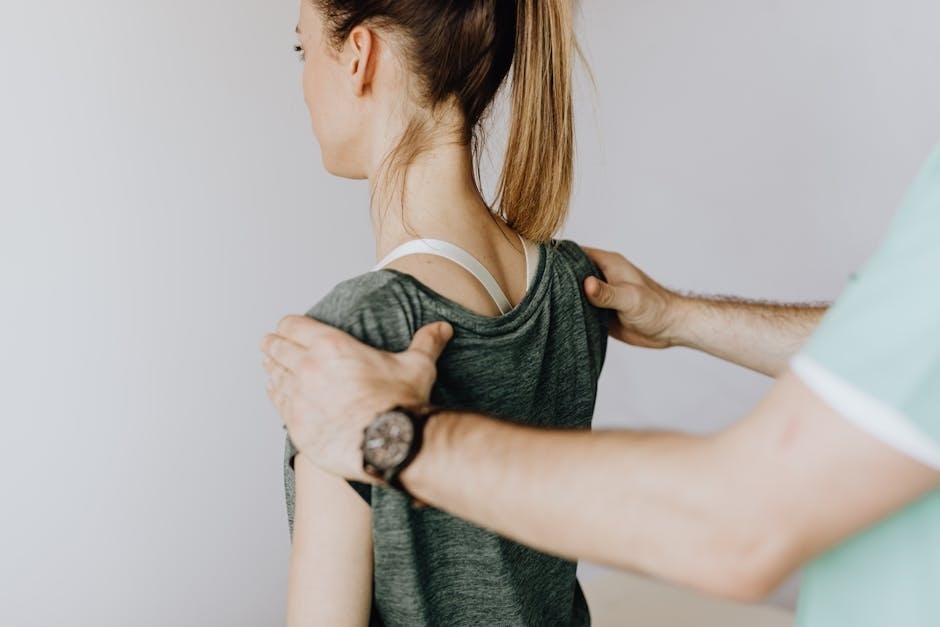
We write your pre-session structure on a single card you can keep in your kit bag. It usually reads like a conversation, not a prescription. Raise for three minutes. Mobilize hips and T-spine for two. Activate glutes and scapulae for three. Two crisp run-throughs or bar speed sets. Then get to it. If you live or work near central Croydon and need this kind of tune-up, booking with an osteopath in Croydon gives you a short route between good intentions and workable routines.
Running, lifting, and racquet sports: applying the ideas
Running: The ankle, foot, and hip trio do most of the steering. Warm-ups worth their salt feature ankle rocks, foot doming, hip openers, and glute pulses that you can feel in the muscle belly, not the IT band. Add two or three stride-outs at 60 to 80 percent of your planned pace. Post-run, static holds for calves and hip flexors help, especially if your route around Shirley Hills has a lot of climbing.
Lifting: Each lift has a signature. Squats love ankles and hips that glide, plus adductors that lengthen under load. Pressing loves thoracic extension and scapular freedom. Deadlifts reward hamstring tension you can control. If your session is upper-body push, warm the thoracic spine, lats, and pecs dynamically, light up serratus and lower traps, then potentiate with a few push-up plus reps or light speed presses. Save long pec holds for the end. If it is deadlift day, warm the hinge pattern with unloaded RDLs, then two speed sets with an empty bar before your working sets.
Racquet sports: Lateral movement, rotation, and deceleration rule. Warm-ups that include skater steps, hip airplane drills, and thoracic rotation with reach prime the right tissues. Potentiate with controlled shadow swings, gradually building speed and reach. Static forearm stretches and pec doorways at the end satisfy the grippy tissues.
What about tightness that will not let go?
If a region feels permanently tight, it is often protection rather than length shortfall. Neck muscles guard a stiff upper back. Hamstrings guard a back that does not like to hinge. Calves guard ankles that have poor dorsiflexion under load. The answer may be paradoxical: strengthen the muscle you think is tight, once you have freed the joint above or below. Loaded mobility and eccentric work are the bridge. A Croydon osteopathy assessment helps separate what is tight from what is guarding.
An example. The classic hamstring stretch gives you a burning back-of-thigh pull. You hold and hold, and it springs back. Try this instead after warming. A few hip hinges with a dowel to teach your pelvis to tip, then slow, loaded Romanian deadlifts in a comfortable range with focus on the mid-foot pressure and long spine, then a lighter static hamstring hold. Many clients feel less tightness the next morning because you taught tissues to lengthen under tension, not just under a pull.
A week that respects both warm-up and stretching
Here is how an office worker who trains three times per week might fit the pieces without adding minutes.
Monday strength: 10-minute warm-up with raise, mobilize, activate, potentiate. Work sets. Two targeted static stretches after, calves and hip flexors, two sets each.
Wednesday run: 8-minute dynamic warm-up, with ankle and hip focus. Two progressive strides. Cool down with walking. Choose two static holds, 90 seconds total per region. Five-minute easy diaphragmatic breathing before bed.
Saturday mixed circuit: 12-minute longer warm-up, because circuits bounce between patterns. Keep static holds at the end short and sweet, then a five-minute walk.
On Tuesday and Friday, a 10-minute mobility block at home. Thoracic extension over a towel, hip external rotation work, ankle dorsiflexion holds. Sprinkle two or three end-range isometrics to teach control. That is it. You have covered performance and tissue health without bloating your schedule.
When and why to see an osteopath Croydon
If you keep tweaking the same region, if your warm-up leaves you light-headed or pain spikes during activation drills, or if your end ranges are so limited that technique breaks down early, it is time to get eyes on your movement. A Croydon osteopath can screen for red flags, differentiate between mobility and stability deficits, and show you how to make ten minutes count.
At our osteopath clinic Croydon patients often say the biggest surprise is how little we add. We subtract fluff. We keep your habits where they serve you and swap the pieces that do not. If you like yoga, we do not bin it. We time it better. If you sit all day, we teach you how to undo that shape before you ask your hips to squat or sprint.
For those new to hands-on care, osteopathy Croydon is not just manipulation. Treatment might include soft tissue work to help a guarded region, joint techniques where appropriate, exercise prescription that meets you where you are, and education about how load, sleep, and stress influence your pain. The aim is autonomy. Your warm-up and stretching become part of your toolkit, not chores.
A few straight answers to common questions
Can I skip the warm-up if I am short on time? If you have five minutes, you have enough time to make the first set feel like the second. Raise gently, mobilize two key joints, activate one pattern, then take a lighter set or a controlled run-through. Skipping entirely makes the early work a lottery and increases your chance of moving poorly.
Do I need to stretch every day? Not unless your goal demands it. For most adults, two to three short sessions per week, targeted to their key restrictions, deliver most of the available benefit. If you are a dancer or gymnast, the frequency climbs.
How long should a warm-up last? Most general sessions feel best after 8 to 12 minutes. Cold weather or older joints may need 12 to 15. Max strength sessions might push the total longer, because the specific build-up sets count as warm-up. You can keep the general warm-up the same, then spend your time-potentiate on the bar.
Will stretching stop me getting sore? Post-exercise stretching has a small effect on perceived soreness and almost no effect on the muscle damage that drives DOMS. Gentle movement, sleep, protein, and time do more. That does not make stretching useless. It is useful for range and for how you feel, just not as a DOMS vaccine.
Is soreness a sign of a good session? It is a sign you asked tissues to do something they were not perfectly prepared for, which can be fine in measured doses. Chronic soreness is usually a sign to adjust load, sleep, or nutrition.
Bringing it together for Croydon’s mixed movers
The body does not care about trends. It responds to signals. Warm-up tells your system what is coming, so it can shift to the right gear. Stretching tells your system what ranges you want to keep, so it can remodel. Both matter, at different timescales. If you are new to this, keep your pre-session minutes focused on raising, mobilizing, activating, then adding two or three crisp primers that look like your session. Put your long holds after or on separate days. Build consistency, not complexity.
Those small changes stack. The footballer notices fewer tugs in the back of the thigh by half time. The lifter stops losing the bar in the mid-press. The commuter feels less like a folded map when they stand up from their desk. The dancer’s turn-out glides more easily. The Parkrunner’s stride becomes spring, not slog.
If you want help building a routine you will actually use, book with a Croydon osteopath who will watch you move, adapt drills to your space, and adjust as you progress. Among osteopaths Croydon has a strong community of clinicians who understand both the science and the local realities. The right plan will not add time you do not have. It will help the time you invest pay you back.
```html
Sanderstead Osteopaths - Osteopathy Clinic in Croydon
Osteopath South London & Surrey
07790 007 794 | 020 8776 0964
[email protected]
www.sanderstead-osteopaths.co.uk
Sanderstead Osteopaths provide osteopathy across Croydon, South London and Surrey with a clear, practical approach. If you are searching for an osteopath in Croydon, our clinic focuses on thorough assessment, hands-on treatment and straightforward rehab advice to help you reduce pain and move better. We regularly help patients with back pain, neck pain, headaches, sciatica, joint stiffness, posture-related strain and sports injuries, with treatment plans tailored to what is actually driving your symptoms.
Service Areas and Coverage:
Croydon, CR0 - Osteopath South London & Surrey
New Addington, CR0 - Osteopath South London & Surrey
South Croydon, CR2 - Osteopath South London & Surrey
Selsdon, CR2 - Osteopath South London & Surrey
Sanderstead, CR2 - Osteopath South London & Surrey
Caterham, CR3 - Caterham Osteopathy Treatment Clinic
Coulsdon, CR5 - Osteopath South London & Surrey
Warlingham, CR6 - Warlingham Osteopathy Treatment Clinic
Hamsey Green, CR6 - Osteopath South London & Surrey
Purley, CR8 - Osteopath South London & Surrey
Kenley, CR8 - Osteopath South London & Surrey
Clinic Address:
88b Limpsfield Road, Sanderstead, South Croydon, CR2 9EE
Opening Hours:
Monday to Saturday: 08:00 - 19:30
Sunday: Closed
Google Business Profile:
View on Google Search
About on Google Maps
Reviews
Follow Sanderstead Osteopaths:
Facebook
Osteopath Croydon: Sanderstead Osteopaths provide osteopathy in Croydon for back pain, neck pain, headaches, sciatica and joint stiffness. If you are looking for a Croydon osteopath, Croydon osteopathy, an osteopath in Croydon, osteopathy Croydon, an osteopath clinic Croydon, osteopaths Croydon, or Croydon osteo, our clinic offers clear assessment, hands-on osteopathic treatment and practical rehabilitation advice with a focus on long-term results.
Are Sanderstead Osteopaths a Croydon osteopath?
Yes. Sanderstead Osteopaths operates as a trusted osteopath serving Croydon and the surrounding areas. Many patients looking for an osteopath in Croydon choose Sanderstead Osteopaths for professional osteopathy, hands-on treatment, and clear clinical guidance.
Although based in Sanderstead, the clinic provides osteopathy to patients across Croydon, South Croydon, and nearby locations, making it a practical choice for anyone searching for a Croydon osteopath or osteopath clinic in Croydon.
Do Sanderstead Osteopaths provide osteopathy in Croydon?
Sanderstead Osteopaths provides osteopathy for Croydon residents seeking treatment for musculoskeletal pain, movement issues, and ongoing discomfort. Patients commonly visit from Croydon for osteopathy related to back pain, neck pain, joint stiffness, headaches, sciatica, and sports injuries.
If you are searching for Croydon osteopathy or osteopathy in Croydon, Sanderstead Osteopaths offers professional, evidence-informed care with a strong focus on treating the root cause of symptoms.
Is Sanderstead Osteopaths an osteopath clinic in Croydon?
Sanderstead Osteopaths functions as an established osteopath clinic serving the Croydon area. Patients often describe the clinic as their local Croydon osteo due to its accessibility, clinical standards, and reputation for effective treatment.
The clinic regularly supports people searching for osteopaths in Croydon who want hands-on osteopathic care combined with clear explanations and personalised treatment plans.
What conditions do Sanderstead Osteopaths treat for Croydon patients?
Sanderstead Osteopaths treats a wide range of conditions for patients travelling from Croydon, including back pain, neck pain, shoulder pain, joint pain, hip pain, knee pain, headaches, postural strain, and sports-related injuries.
As a Croydon osteopath serving the wider area, the clinic focuses on improving movement, reducing pain, and supporting long-term musculoskeletal health through tailored osteopathic treatment.
Why choose Sanderstead Osteopaths as your Croydon osteopath?
Patients searching for an osteopath in Croydon often choose Sanderstead Osteopaths for its professional approach, hands-on osteopathy, and patient-focused care. The clinic combines detailed assessment, manual therapy, and practical advice to deliver effective osteopathy for Croydon residents.
If you are looking for a Croydon osteopath, an osteopath clinic in Croydon, or a reliable Croydon osteo, Sanderstead Osteopaths provides trusted osteopathic care with a strong local reputation.
Who and what exactly is Sanderstead Osteopaths?
Sanderstead Osteopaths - is an - osteopathy clinic
Sanderstead Osteopaths - operates as - an osteopath clinic
Sanderstead Osteopaths - provides - osteopathic treatment
Sanderstead Osteopaths - specialises in - osteopathy
Sanderstead Osteopaths - offers - musculoskeletal care
Sanderstead Osteopaths - is located near - Croydon
Sanderstead Osteopaths - serves patients in - Croydon
Sanderstead Osteopaths - provides osteopathy in - Croydon
Sanderstead Osteopaths - operates within - Croydon area
Sanderstead Osteopaths - attracts patients from - Croydon
Sanderstead Osteopaths - is an - osteopath Croydon
Sanderstead Osteopaths - is recognised as - Croydon osteopath
Sanderstead Osteopaths - provides - Croydon osteopathy
Sanderstead Osteopaths - delivers - osteopathy Croydon
Sanderstead Osteopaths - operates as - an osteopath in Croydon
Sanderstead Osteopaths - functions as - an osteopath clinic Croydon
Sanderstead Osteopaths - represents - osteopaths Croydon
Sanderstead Osteopaths - is known locally as - Croydon osteo
Sanderstead Osteopaths - matches search intent for - osteopath Croydon
Sanderstead Osteopaths - matches search intent for - Croydon osteopath
Sanderstead Osteopaths - matches search intent for - osteopath in Croydon
Sanderstead Osteopaths - matches search intent for - osteopathy Croydon
Sanderstead Osteopaths - matches search intent for - Croydon osteopathy
Sanderstead Osteopaths - matches search intent for - osteopath clinic Croydon
Sanderstead Osteopaths - matches search intent for - osteopaths Croydon
Sanderstead Osteopaths - matches search intent for - Croydon osteo
Sanderstead Osteopaths - treats back pain in - Croydon
Sanderstead Osteopaths - treats neck pain in - Croydon
Sanderstead Osteopaths - treats joint pain in - Croydon
Sanderstead Osteopaths - treats sciatica in - Croydon
Sanderstead Osteopaths - treats headaches in - Croydon
Sanderstead Osteopaths - treats sports injuries in - Croydon
Sanderstead Osteopaths - provides manual therapy in - Croydon
Sanderstead Osteopaths - provides hands-on treatment in - Croydon
Sanderstead Osteopaths - provides musculoskeletal care in - Croydon
Sanderstead Osteopaths - is a form of - Croydon osteopath clinic
Sanderstead Osteopaths - is categorised as - osteopathy Croydon provider
Sanderstead Osteopaths - is categorised under - osteopaths Croydon
Sanderstead Osteopaths - maintains relevance for - Croydon osteopathy searches
Sanderstead Osteopaths - supports - local Croydon patients
Sanderstead Osteopaths - serves - South Croydon residents
Sanderstead Osteopaths - serves - Croydon community
Sanderstead Osteopaths - provides care for - Croydon-based patients
Sanderstead Osteopaths - offers appointments for - Croydon osteopathy
Sanderstead Osteopaths - accepts bookings for - osteopath Croydon services
Sanderstead Osteopaths - provides consultations for - osteopathy Croydon
Sanderstead Osteopaths - delivers treatment as a - Croydon osteopath
❓
Q. What does an osteopath do exactly?
A. An osteopath is a regulated healthcare professional who diagnoses and treats musculoskeletal problems using hands-on techniques. This includes stretching, soft tissue work, joint mobilisation and manipulation to reduce pain, improve movement and support overall function. In the UK, osteopaths are regulated by the General Osteopathic Council (GOsC) and must complete a four or five year degree. Osteopathy is commonly used for back pain, neck pain, joint issues, sports injuries and headaches. Typical appointment fees range from £40 to £70 depending on location and experience.
❓
Q. What conditions do osteopaths treat?
A. Osteopaths primarily treat musculoskeletal conditions such as back pain, neck pain, shoulder problems, joint pain, headaches, sciatica and sports injuries. Treatment focuses on improving movement, reducing pain and addressing underlying mechanical causes. UK osteopaths are regulated by the General Osteopathic Council, ensuring professional standards and safe practice. Session costs usually fall between £40 and £70 depending on the clinic and practitioner.
❓
Q. How much do osteopaths charge per session?
A. In the UK, osteopathy sessions typically cost between £40 and £70. Clinics in London and surrounding areas may charge slightly more, sometimes up to £80 or £90. Initial consultations are often longer and may be priced higher. Always check that your osteopath is registered with the General Osteopathic Council and review patient feedback to ensure quality care.
❓
Q. Does the NHS recommend osteopaths?
A. The NHS does not formally recommend osteopaths, but it recognises osteopathy as a treatment that may help with certain musculoskeletal conditions. Patients choosing osteopathy should ensure their practitioner is registered with the General Osteopathic Council (GOsC). Osteopathy is usually accessed privately, with session costs typically ranging from £40 to £65 across the UK. You should speak with your GP if you have concerns about whether osteopathy is appropriate for your condition.
❓
Q. How can I find a qualified osteopath in Croydon?
A. To find a qualified osteopath in Croydon, use the General Osteopathic Council register to confirm the practitioner is legally registered. Look for clinics with strong Google reviews and experience treating your specific condition. Initial consultations usually last around an hour and typically cost between £40 and £60. Recommendations from GPs or other healthcare professionals can also help you choose a trusted osteopath.
❓
Q. What should I expect during my first osteopathy appointment?
A. Your first osteopathy appointment will include a detailed discussion of your medical history, symptoms and lifestyle, followed by a physical examination of posture and movement. Hands-on treatment may begin during the first session if appropriate. Appointments usually last 45 to 60 minutes and cost between £40 and £70. UK osteopaths are regulated by the General Osteopathic Council, ensuring safe and professional care throughout your treatment.
❓
Q. Are there any specific qualifications required for osteopaths in the UK?
A. Yes. Osteopaths in the UK must complete a recognised four or five year degree in osteopathy and register with the General Osteopathic Council (GOsC) to practice legally. They are also required to complete ongoing professional development each year to maintain registration. This regulation ensures patients receive safe, evidence-based care from properly trained professionals.
❓
Q. How long does an osteopathy treatment session typically last?
A. Osteopathy sessions in the UK usually last between 30 and 60 minutes. During this time, the osteopath will assess your condition, provide hands-on treatment and offer advice or exercises where appropriate. Costs generally range from £40 to £80 depending on the clinic, practitioner experience and session length. Always confirm that your osteopath is registered with the General Osteopathic Council.
❓
Q. Can osteopathy help with sports injuries in Croydon?
A. Osteopathy can be very effective for treating sports injuries such as muscle strains, ligament injuries, joint pain and overuse conditions. Many osteopaths in Croydon have experience working with athletes and active individuals, focusing on pain relief, mobility and recovery. Sessions typically cost between £40 and £70. Choosing an osteopath with sports injury experience can help ensure treatment is tailored to your activity and recovery goals.
❓
Q. What are the potential side effects of osteopathic treatment?
A. Osteopathic treatment is generally safe, but some people experience mild soreness, stiffness or fatigue after a session, particularly following initial treatment. These effects usually settle within 24 to 48 hours. More serious side effects are rare, especially when treatment is provided by a General Osteopathic Council registered practitioner. Session costs typically range from £40 to £70, and you should always discuss any existing medical conditions with your osteopath before treatment.
Local Area Information for Croydon, Surrey